


Growing Vegetables in Compost
This post contains affiliate links. We may earn a commission at no extra cost to you.
Why leave compost sitting in a pile when you can grow vegetables in it? I use smaller composting areas to turn garden and kitchen waste into productive growing spaces. Here is how I do it.
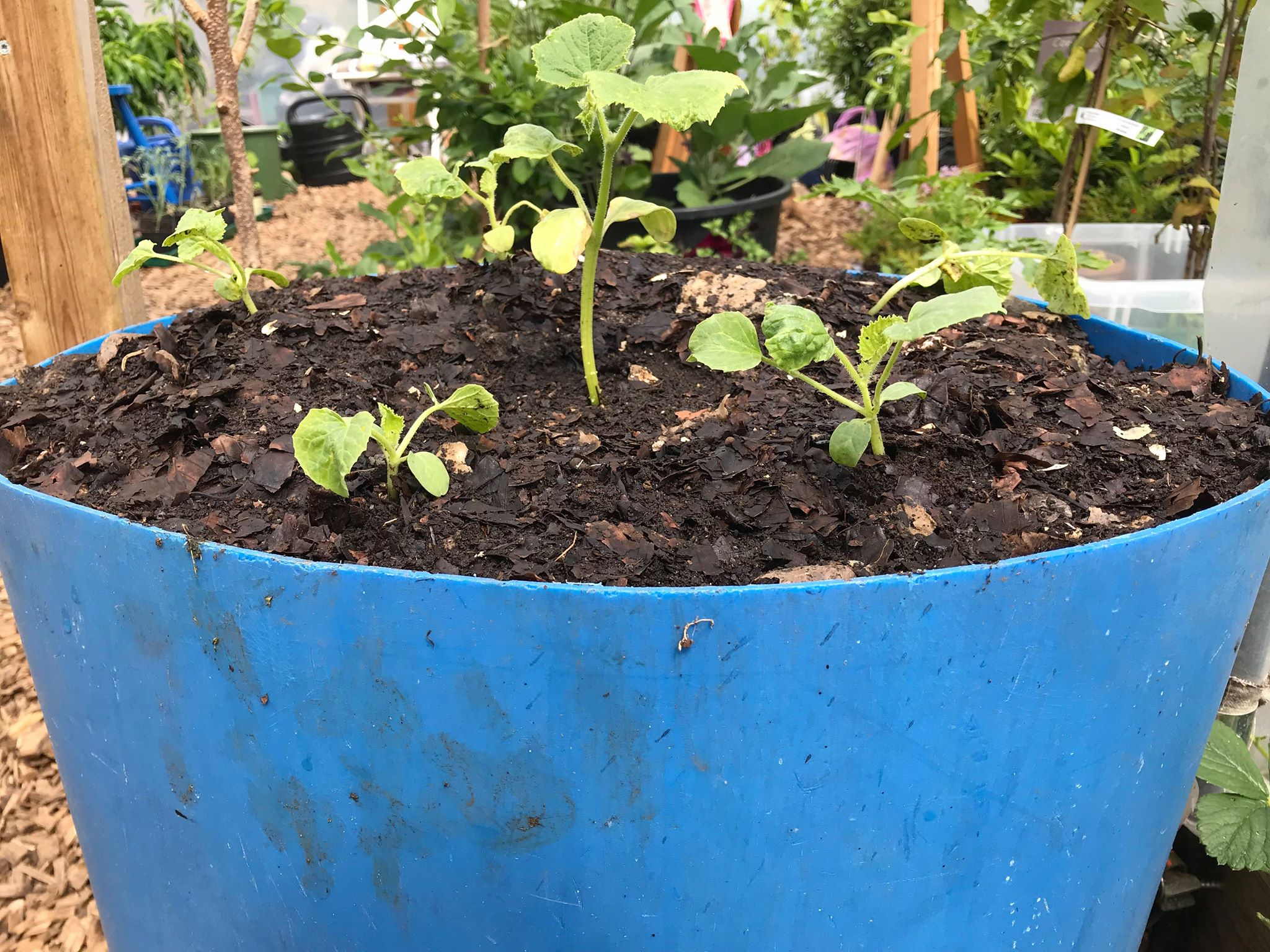
One of my smaller composting areas in the polytunnel, where I grow melons and cucumbers.
Composting is pure magic. The dead plant parts are used for new life with the help of the little worms and insects in the soil. Amazing! This happens everywhere. But here in the garden, we can choose specific spots for this process, and also make it a bit faster. I'm talking about compost piles!
I do a lot of composting directly in my mulched beds. I also have two large no-turn compost piles for organic material from the polytunnel, as well as several smaller composting areas in raised beds, barrels and large pots. Some of these are also filled with kitchen scraps.
I like having several smaller compost piles. The smaller piles are very easy to make and work with when it's time to start using the new soil. I can also start on a new pile wherever I want and I don't need to spend several days turning my compost and transporting soil here and there. Building smaller piles is just a lot more convenient!
Learn more about bokashi compost here: Bokashi
Growing vegetables in compost: getting started
To get started, collect the material in a suitable container before you plan to grow in it. You can use a barrel, a large bag with drainage holes or another container that allows excess moisture to escape. You can also place the material in a pile directly on the ground where it will not be in the way.
Let the composting process begin before planting. The material should be moist and starting to break down, but not waterlogged. This gives the vegetables a better growing environment and helps the composting process continue.
What should I grow in my compost?
You can grow whatever you want! I try to avoid growing potatoes here though. They grow nicely in compost, but I think it's a bit of a waste to use such a good spot for a plant that doesn't need that kind of special treatment. I don't grow root vegetables with long roots (like carrot or parsnip) here either. I do however like to grow gourds, tomatoes, bell peppers, leafy greens, cabbages and other vegetables that love soil with lots of nutrients. Add some mulch on top of your compost to keep it nice and moist.
When should I get started?
You can start these little piles any time of the year, as soon as you have gathered some material that you can use. Just make sure to create holes in the bottom of the container you're using, or make sure that the compost is in contact with the soil underneath some other way. So, don't put plastic in the bottom and don't use a container without any holes. As long as the compost touches the ground underneath, the microorganisms can move in and out as they please. Start filling pots and barrels with compost now as a preparation for the leafy greens you are planning on harvesting in winter.
If you want to use a compost-rich growing space for fall vegetables, SeedsNow’s Fall/Winter Variety Pack includes leafy greens, root vegetables and other crops selected for the cooler season.
Browse the Fall/Winter Variety Pack here: SeedsNow Fall Winter Variety Pack
Good luck growing vegetables in compost!
/Sara Bäckmo
09. August 2021

Leave a Reply
You must be logged in to post a comment.